Complete Guide to Jerez de la Frontera - Best Things to See and Do
Discover the charm of Jerez de la Frontera: world-famous sherry, flamenco culture, and Andalusian architecture in Spain's most vibrant wine region.
What Makes Jerez de la Frontera Special
Nestled in the heart of Cadiz province in southern Spain, Jerez de la Frontera is a city that pulses with authentic Andalusian soul. Known worldwide as the birthplace of sherry wine, this city of approximately 215,000 residents offers far more than its famous bodegas—it's a living museum of Spanish culture, passion, and tradition.
The atmosphere in Jerez is distinctly bohemian and artistic. Walking through the winding streets, you'll encounter spontaneous flamenco performances, the aroma of aged sherry wafting from centuries-old bodegas, and locals engaged in animated conversations in sun-drenched plazas. The city maintains a refreshingly authentic feel, free from the over-tourism that plagues some Spanish destinations, yet offering world-class attractions and experiences.
Top Attractions and Must-See Sights
The Real Escuela Andaluza del Arte Ecuestre (Royal Andalusian School of Equestrian Art) is Jerez's crown jewel. Located in the Palacio Recreo de las Cadenas, this institution showcases stunning performances of classical horsemanship combined with flamenco dance and traditional Andalusian music. Shows typically run Thursday mornings year-round, with additional performances during summer months.
Sherry production defines Jerez's identity. Major bodegas like González Byass, Tío Pepe, and Harveys offer guided tours where visitors learn about the solera aging process and taste authentic sherries directly from the source. Many tours include traditional tapas pairings that highlight the wine's versatility.
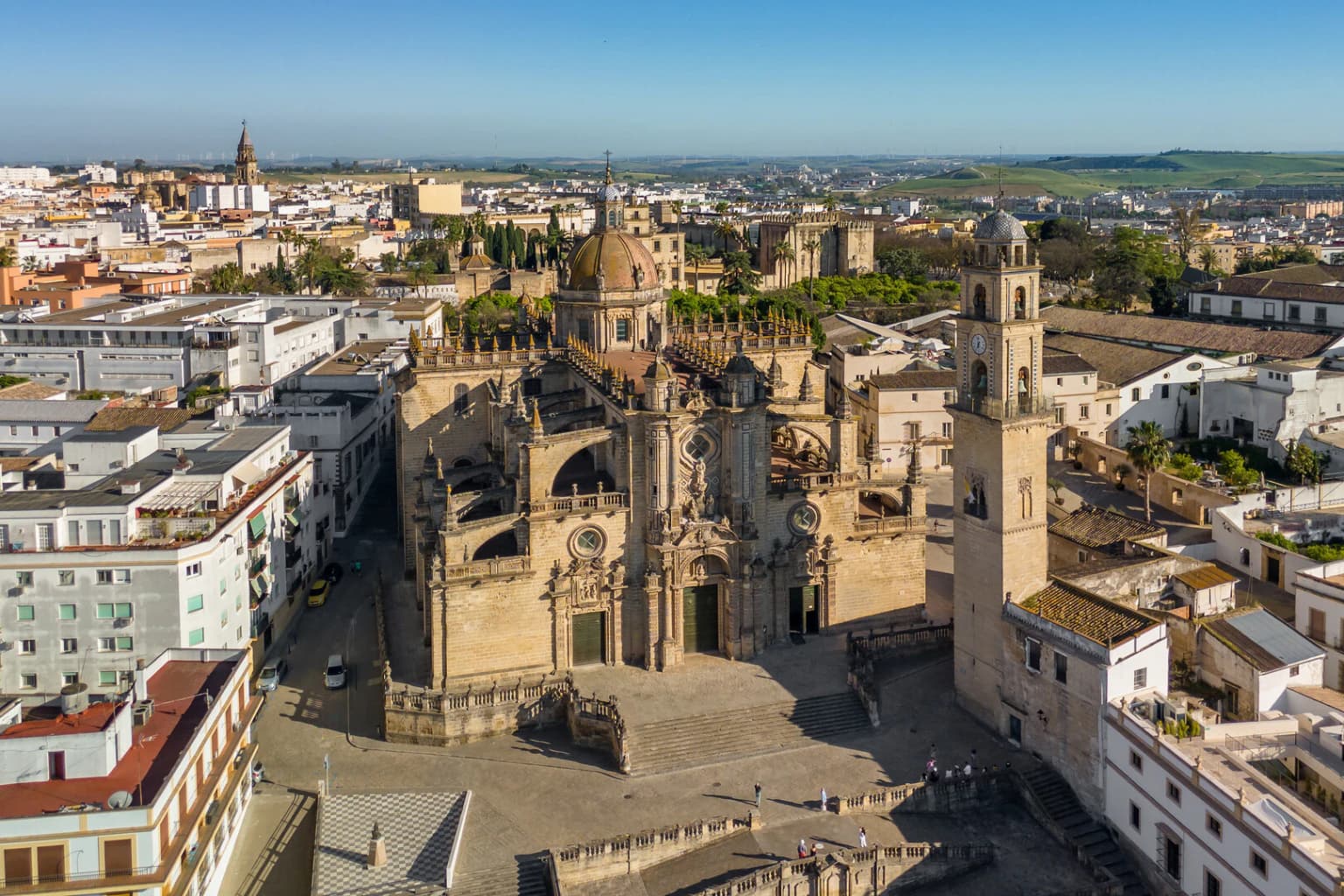
The Cathedral of Jerez, officially known as the Catedral de San Dionisio, dominates the city center with its impressive baroque façade. Built between 1695 and 1759, it houses important artworks and offers panoramic city views from its bell tower. The adjacent Plaza de la Catedral is perfect for people-watching over a coffee.
For flamenco enthusiasts, the Centro Andaluz de Flamenco provides museum exhibits and occasional live performances showcasing this UNESCO-recognized art form that runs through Jerez's cultural DNA.
Best Neighbourhoods to Explore
Historic Centro
The old town center radiates outward from the Cathedral, featuring narrow medieval streets, authentic bodegas, and traditional tavernas. This is where you'll find the most concentrated collection of historical sites and atmospheric bars. Plaza San Juan and Plaza de la Asunción are particularly charming squares to explore.
Santiago
East of the Cathedral, the Santiago neighbourhood is the traditional heart of flamenco culture. Here, whitewashed buildings with terracotta roofs create an entirely authentic Jerez experience. This area pulses with local life, family-run restaurants, and impromptu musical gatherings in the evenings.
Barrio San Miguel
Another traditionally bohemian quarter, San Miguel offers an increasingly trendy restaurant and nightlife scene while maintaining its working-class charm. It's where contemporary Jerez emerges without losing its soul.
Where to Eat and Drink
Fine Dining and Traditional Cuisine
El Bosque offers contemporary Spanish cuisine with an elegant setting, perfect for a special dinner featuring local ingredients and creative presentations. Gaitan is another excellent choice for refined Andalusian fare in the historic centre.
For authentic tapas in a traditional atmosphere, La Modela remains a local institution—expect standing-room-only crowds of locals enjoying small plates of ibérico ham, jamón, local cheeses, and seafood. Bar Almonte near the Cathedral serves excellent montaditos (small open-faced sandwiches) and cold sherry in a charming tiled interior.
Casual Dining
Espigón specializes in fresh seafood and raciones (larger shareable plates), particularly excellent for gambas al ajillo (garlic shrimp) and boquerones en vinagre (marinated anchovies). Casa Morales serves traditional gazpacho, salmorejo, and other Andalusian classics in a family-friendly setting.
Sherry Bars and Nightlife
La Antigua Taberna combines authentic bodega vibes with quality fino and manzanilla sherries, offering a genuine local experience. Barbiana Café provides a more contemporary cocktail scene for younger visitors. For evening flamenco performances with dinner, Tablao Puro Arte presents professional shows in an intimate venue.
Late-night tapas and sherry culture centers around Bar Juanito, a legendary spot that attracts everyone from pensioners to young professionals. The energy here—particularly after 10 PM—encapsulates Jerez nightlife at its most authentic.
Beach and Outdoor Activities
While Jerez sits inland, the Costa de la Luz beaches lie just 50 kilometers away. Playa de Rota and Playa del Espigón offer golden sand, excellent windsurfing conditions, and a more authentic beach experience than crowded Mediterranean resorts.
Within the city, the Parque Zoológico de Jerez provides green space and wildlife viewing. More adventurous visitors can explore the nearby white villages of Arcos de la Frontera (35 km north) and Sanlúcar de Barrameda (30 km southwest), both UNESCO-listed towns featuring dramatic hilltop architecture and additional bodega experiences.
Horse riding excursions through the surrounding countryside showcase Jerez's equestrian heritage in a rural setting, available through various tourism operators.
Best Time to Visit and Seasonal Highlights
Spring (April-May) offers ideal weather with temperatures between 18-28°C. The Feria del Caballo (Horse Fair) in May is spectacular, featuring parades, traditional dress, flamenco performances, and equestrian displays throughout the city.
Summer (June-August) brings heat reaching 35°C but includes excellent cultural programming and outdoor events. The Verano Cultural festival features concerts, theater, and performances. However, many locals escape during August.
Fall (September-October) provides perfect weather (20-30°C) and fewer crowds. September marks vendimia (grape harvest), offering opportunities to visit bodegas during peak production.
Winter (November-March) is mild and rainy, with temperatures around 10-18°C. This shoulder season offers lower prices and authentic local atmosphere, though some bodega tours may have limited availability.
Getting Around
Jerez has an efficient public bus system (Autobuses Urbanos de Jerez) with routes covering all neighbourhoods. Taxis are readily available and inexpensive. For exploring the historic center, walking is ideal—most major attractions lie within a 20-minute walk of each other.
The main railway station (Estación de Tren) connects Jerez to Seville (90 minutes), Cádiz (45 minutes), and other Andalusian cities. The airport (Jerez Airport) handles flights from major European cities, though many visitors fly through Seville.
Renting a car proves useful for visiting nearby white villages and beaches, though parking in the old town can be challenging. Most visitors find walking and occasional taxi rides sufficient for a city break.
Conclusion
Jerez de la Frontera rewards visitors willing to venture beyond Spain's mainstream tourist circuits. Its combination of world-class wine experiences, authentic flamenco culture, equestrian heritage, and genuine Andalusian atmosphere creates an unforgettable destination that honors tradition while embracing modern hospitality. Whether you're sipping sherry in a centuries-old bodega, witnessing classical horsemanship, or dancing until dawn to live flamenco, Jerez delivers Spain's soul in its purest form.